6 productivity hacks that actually work for neurodivergent freelancers

in this post
On paper, freelancing is the dream.
But once I was diagnosed with ADHD, I finally understood why staying productive as a self-employed person feels so hard.
The truth is, productivity hacks built for neurotypical freelancers don’t always work for us neurodivergent folks. What we need are flexible, forgiving strategies that honor how our brains function.
why traditional productivity advice doesn’t work
As a neurodivergent person, you’ve likely heard productivity advice like “Wake up at 5am,” “Just use a planner,” or “Get into a strict routine.” For many of us, sticking to that kind of rigid structure feels impossible.
As Lauren Parker, executive function coach at Key Counseling Group, explains:
“ Rigid schedules can be overwhelming for neurodiverse people because they don’t account for shifts in energy, focus, or executive functioning. When plans feel too strict, it can create stress or a sense of failure if things don’t go exactly as expected. ”
Our minds are constantly shifting. That’s why we need systems that let us take advantage of high-focus days and still have a plan for low-focus ones.
my go-to productivity strategies for neurodivergent brains
hack #1: Break down hard tasks first
If I don’t tackle something I dread early, I end up in a spiral of procrastination and anxiety. But that doesn’t mean jumping straight into the biggest project with no plan. Instead, I pick the task I’ve been avoiding and divide it into smaller steps I can feasibly get through.
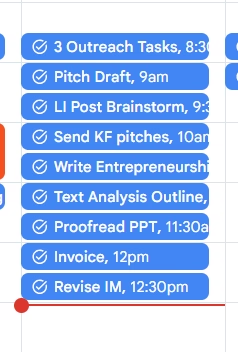
So what makes this different from the traditional “ just break it down into manageable steps ” advice? For neurodivergent freelancers, it means everything goes on the list. Every reminder, every tiny task, every micro-step.
I use my Google Calendar for this. Some tasks take twenty minutes; others take two hours. To give you an idea, here’s a screenshot of an actual to-do list in my calendar. Yes, I frequently have tasks that tell me just to “send” things. And even if it takes one minute, that’s one less thing I have to think about.
hack #2: Virtual coworking & accountability partners
Ever heard of body doubling? It’s when you do a task in the presence of someone else. Anecdotally, it helps with:
- Focus
- Accountability
- Feeling less alone in the frustration
If anxiety or ADHD makes it hard to access this in person, there are online tools (like Flow Club) you can use to create the same sense of accountability. You join a video call, silently work “together” for an hour, and then celebrate when the session is done.
I’ve also found that heading to a library or coffee shop helps too; being around others makes me feel like I should actually work.
H3: Hack #3: Automate repetitive processes
Decision fatigue is real. The fewer choices I have to make, the more energy I have for client work.
Here’s what helps me:
- Calendly for scheduling meetings and appointments
- Automated reminders and notifications in a digital calendar
- Creating detailed checklists for recurring processes like invoicing or article writing
- Social media schedulers for batching content
- Habit-stacking apps that gamify routines and send reminders
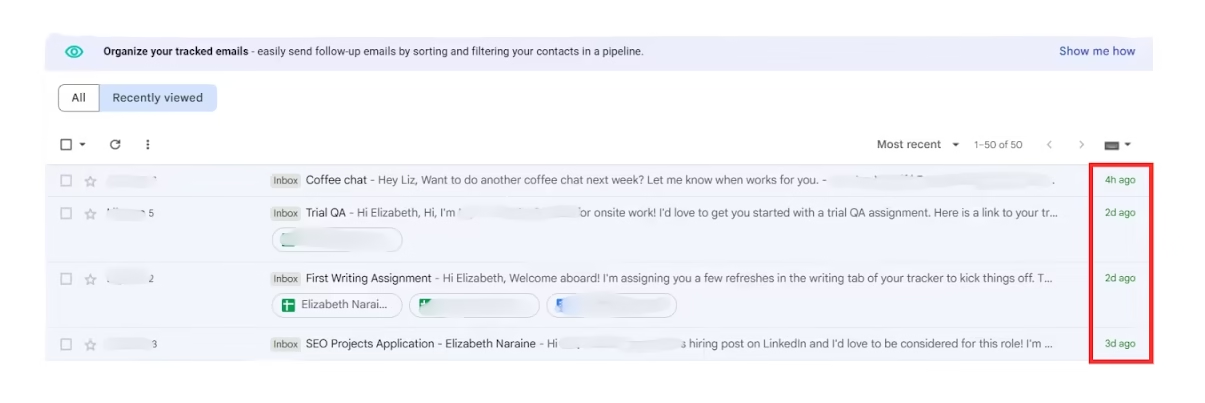
- Streak for email tracking (it’s super helpful for seeing when emails are opened so I know when to follow-up—see the screenshot below)
And here’s a fun one: AirTags. They can be programmed for just about anything. For example, you can set one up on your desk so that tapping it turns on Do Not Disturb on your phone or launches a focus playlist.
hack # 4: Pair tedious tasks with rewards
Following through on boring tasks can be tough. Discipline alone doesn’t cut it; we need immediate gratification. I’ve learned that pairing every single task with something enjoyable makes a huge difference.
If I need to create and send an invoice, I’ll make myself a snack plate right after. When I wrap up a round of edits, I’ll listen to a couple of favorite songs or check out the latest edition of an interesting newsletter. You could even sit outside with a mocktail as a reward for finishing a round of client outreach. The point is to connect boring work with something that feels good right away, not weeks later.
hack # 5: Limit task switching
Switching tasks too often derails focus. Multitasking emails, client drafts, and dinner prep all at once leaves me stressed with nothing finished. Try batching instead. It’s when you pair like tasks together to avoid losing focus. Here are some examples:
- Dedicate mornings to admin tasks (such as emails, invoices, and planning).
- Save afternoons for client work.
- Consider dedicating one whole day to content creation and another to client projects.
Bonus tip : Keep a distraction list . Anytime a random idea pops up, write it down on paper instead of on your phone (which is a distraction trap). Come back to it later, after finishing the task at hand.
hack #6: Create “launch pads” for work
This is one of my favorite hacks because it takes advantage of those sudden bursts of motivation. When I get an idea at night, I’ll prepare everything for the next day so starting doesn’t feel overwhelming.
Sometimes that means leaving my laptop open with assignments or project tabs ready to go. Other times, I preload research pages, set up my dual monitors, or leave my agenda in the middle of my desk so I can’t ignore it. It’s the same principle as laying out workout clothes the night before—only this time, you’re setting up your brain for easier focus the next day.
working with your brain, not against it
So there you have it. Productivity as a neurodivergent freelancer relies on finding strategies that work with your brain, wherever it’s at. On low-energy days, that might mean leaning more on automation to handle the thinking or depending on your trusty checklist a little extra.
If you’d like actionable content marketing tips (and freelance opportunities that fit your working brain best), check out TheMinCave’s Newsletter.