posts published
Proof-led content written from briefs, scheduled in batches, and built on a clear positioning.
30-day challenge for content writers and marketers

Everyone says post on LinkedIn. Nobody says what to put in the post, how to say it, or where the carousels come in.
Is this your dilemma? It was mine too.
Your host
I run things at Mincave, home to 9,000+ content professionals.
I’ve worked in content for about seven years and given LinkedIn a few serious tries. It works, but I never cracked rhythm. I’d post something random, disappear for weeks, then wonder why I had so little to show for an account I’ve had since it was still cool to own an iPod.
So I built a system that never leaves you wondering what to post, with accountability that keeps you going on busy days, and bite-sized tasks that make you good at finding clients rather than just good at writing posts.
All you have to do is show up.
How it works
Clarify your niche, elevator pitch and target audience, and start a list of people who could hire you.
Train your algorithm by commenting on posts from your target audience, and connecting with relevant peers and prospects.
Answer the four briefs I send you, turn them into posts, and schedule before Monday gets ideas.
Why this LinkedIn challenge is different
Most 30-day challenges tell you to post every day. That is fine, and you can post daily here too. But nobody mentions that it is the connecting that gets you work, or gets you remembered when work turns up.
I have had far more success shaping my network so I am on the radar of people who could hire or refer me, than I ever had trying to grow a following.

What you get
One big question to answer, hook samples, a defined post structure, and full worked examples in every brief. 71% of Cohort #1 survey respondents named the briefs the most useful part.
The Winning on LinkedIn course, plus a workbook that pins down your niche and the clients you want to be visible to. A pre-publish checklist and trackers come with it, so your day-one numbers are there to measure against on day 30.
The exact roles and titles to target for your ICP, built around your niche and how you position yourself, plus what to actually say once you have found them: the connection note and the opener that gets a reply.
Uses our boolean search generator to build the list. The playbook is what to do with it.
Prompts, reminders and check-ins land daily on Whop, our community platform, where your team can also see whether you posted.

Proof-led content written from briefs, scheduled in batches, and built on a clear positioning.
Small weekday visibility tasks, weekend writing, and a group that notices when you drop off.
Your dream companies filtered down to your niche, and your very own list of hiring contacts you can reach out to.

Most LinkedIn challenges say "post for 30 days" and stop at the feed. This doesn't. You'll optimize your profile around the keywords people actually search for, and write a cornerstone post built for search visibility after the feed moves on.
Theme Tray
The framework, proof, or opinionated take you know that other people are still guessing at. Rated #1 most useful by past members.
The origin, the setback, the belief you had to unlearn. Who you are, not just what you do—because people hire people.
The tools, reads, and people worth your audience’s attention, plus a line on why. The easiest post to ship on a chaotic week.
Behind-the-scenes moments, freelance realities, or relatable working quirks. Exactly as human and unserious as they sound.

Timeline
You pick your track, meet your team, and get your baseline numbers down.
Positioning and profile update. This is the heavy end, and it’s deliberately at the start so the rest of the month gets lighter.
Four weeks of rhythm: 15 minutes of weekday networking, four weekend briefs scheduled before Monday, and Friday scoreboard resets.
16+ posts published, a profile that works, a month of ideas queued, and a set of numbers to compare against the ones you wrote down on day one.

Willpower and motivation run out fast. The bits below are external stakes to help you keep showing up even when you don’t feel like “doing LinkedIn”.
 +Points per task
Every action earns points as you complete it: posting, daily networking comments, weekend briefs, and your Friday check-in.
 Sticks vs Stones
Your points feed your team’s weekly total (Sticks vs Stones). Showing up for others is a stronger pull than doing it for yourself. And when you stop, you let them down and points come off the team score.
 50% weekly threshold
Complete at least 50% of your weekly tasks to stay in the challenge. Fall below, and your spot and accumulated points get wiped (rejoining is $50).
| the rule | what it means |
|---|---|
 Do at least half Do at least half | Each week, complete at least 50% of the tasks. Fall below that and you lose your spot and your accumulated points. |
 Write about what you do Write about what you do | What you’re building, learning, selling, or getting wrong. Not motivational quotes, not generic advice. The specific stuff is the only stuff that works. |
 Be willing to be perceived Be willing to be perceived | You have to actually connect with new people. You can be shy about it, but you can’t opt out of it. |
 Be willing to be consistent Be willing to be consistent | Small, repeated effort multiplies. Without consistency there is nothing to measure, and nothing to show for the month. |
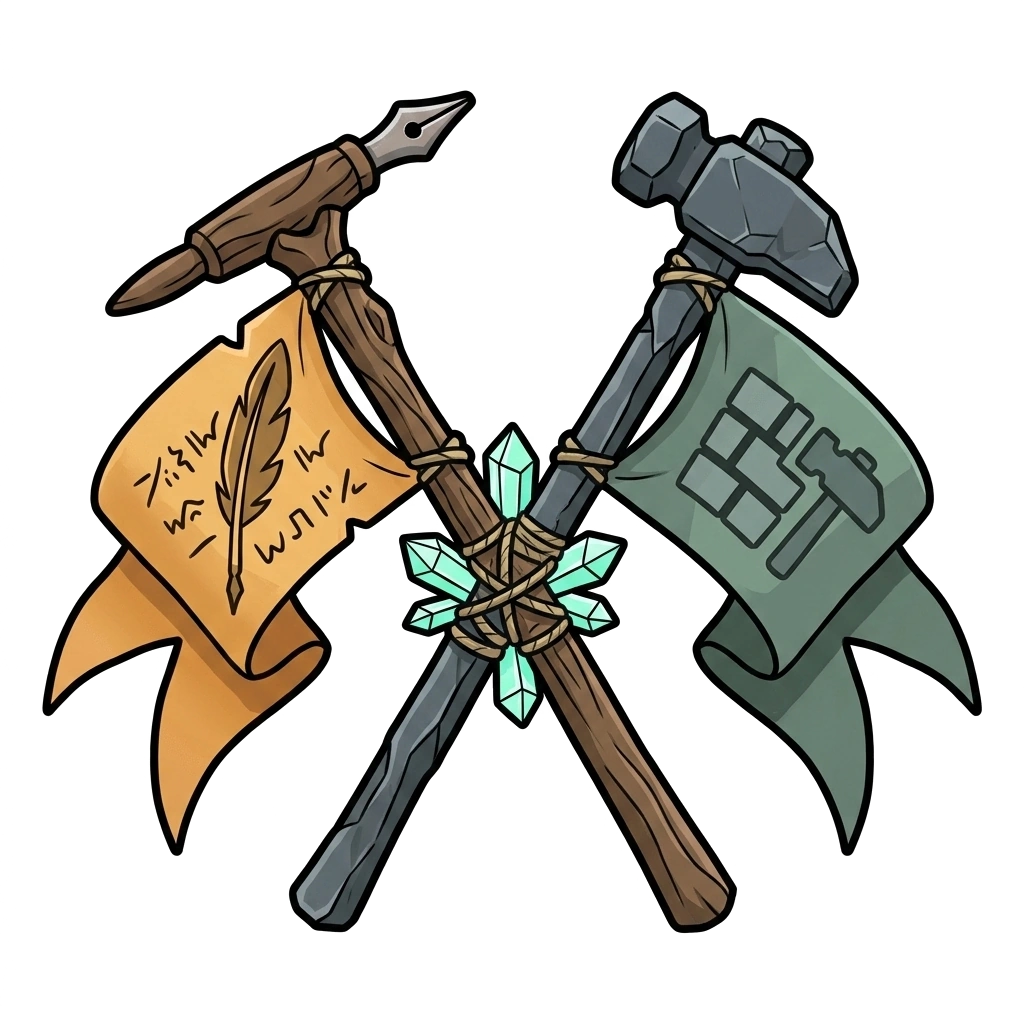
Two distinct tracks
So a copywriter isn’t working through marketing reporting examples, and a strategist isn’t working through writing frameworks.
For writers creating long-form articles, conversion copy, newsletters, and ghostwriting for founders.
Who this track is for:
For marketers driving organic distribution, SEO/GEO growth, campaign strategy, and content ops.
Who this track is for:
| Right now | 30 days in |
|---|---|
| You know you should be posting | You’ve posted 16+ times |
| Your profile says “freelancer” and not much else | Your profile says what you do, who for, and why it matters |
| “I’ll start Monday” | You started, missed a few days, and kept going anyway |
| A vague sense of who your clients are | A list of named potential clients who already have you on their radar |
| No idea what to post | A month’s worth of ideas already queued |
| No way to tell if any of it’s working | Day-one numbers and day-thirty numbers, side by side |

Cohort #1 feedback
“The accountability, comprehensive resources, and the level of detail put into shaping this challenge were far beyond what I dreamed of.”
“I learned a system for showing up on LinkedIn, not just for posting, but for eventually signing clients.”
“It felt like being in a good club.”
“The briefs are lit 🔥”
One participant grew their network by 19% in 30 days by commenting more than writing full posts. Another fell behind in week one and even thought about quitting, but used the catch-up buffer and finished in the cohort top ten.

Fit check
Dates coming soon. Join the waitlist and be first to know when Cohort #3 opens.
By the end of the 30-day sprint you’ll have 16+ posts live, a profile that spells out what you do and who you do it for, and a weekly posting rhythm you can keep running on your own.